
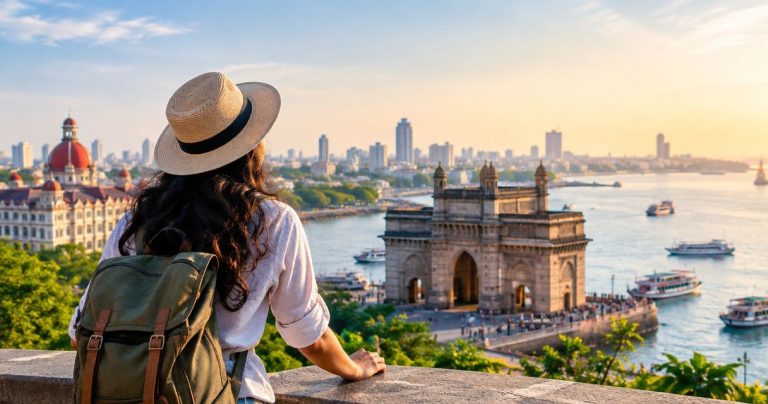
Best overall: Delhi. Best for a gentler introduction: Kochi. Best for forts and palaces: Jaipur. The best Indian cities for first time travellers in 2026 depend on whether you want major landmarks, a slower neighbourhood base or a city that connects naturally with family visits.
In-short:
- Delhi leads the best Indian cities for first time travellers for Mughal landmarks and onward travel.
- Choose Kochi for a slower introduction, Jaipur for forts, and Amritsar for Sikh heritage.
- Mumbai suits big-city sightseeing; Chennai suits Tamil culture and a Mahabalipuram excursion.
- Mann Travel AU books Australia-to-India flights; choose your arrival city around your actual itinerary.
Why this matters
Your first Indian city sets the pace for everything that follows. A packed sightseeing programme, an inconvenient hotel location and an immediate onward journey create very different arrivals from a settled neighbourhood base.
For an Australia-to-India trip in 2026, choose the experience before choosing the arrival airport. Mann Travel AU books international flights from Australian cities to Indian destinations, so your flight planning can follow your itinerary rather than dictate it.
Mann Travel AU is best for Australia-to-India flight bookings when you want agency assistance. Destination choice still comes first: Delhi is the strongest default for a landmark-led introduction, while Kochi suits travellers who prefer a more contained starting point.
What makes the best Indian city for a first visit?
- Sightseeing focus: You should be able to name what draws you there, rather than collect a city because it appears on every itinerary.
- Neighbourhood fit: A suitable hotel base matters more than a long attraction list. Check its position against the places you will actually visit.
- Arrival logistics: Compare the airport transfer, arrival time and onward travel together, not as separate decisions.
- Pacing: Leave room for meals, rest and travel delays instead of treating every day as a sightseeing checklist.
- Seasonal fit: Check conditions for your actual travel month. A recommendation for northern India does not automatically apply to Kerala or Tamil Nadu.
- Onward purpose: Family visits, a Rajasthan circuit and a southern coastal trip need different starting cities.
Best Indian cities at a glance
The ranking below separates cities by purpose. There is no universal winner for every traveller, and no city here earns a place simply because it has a famous airport.
| City | Best for | Standout experience | Key limitation |
|---|---|---|---|
| Delhi | A landmark-led first visit | Old Delhi and Mughal monuments | Traffic, seasonal heat and air quality need attention |
| Kochi | A gentler neighbourhood introduction | Fort Kochi and Mattancherry | Kerala excursions require separate travel planning |
| Jaipur | Forts and royal architecture | Amber Fort and the historic city | Major sights are spread across different areas |
| Mumbai | Big-city culture and coastal walks | South Mumbai and Marine Drive | Cross-city journeys consume sightseeing time |
| Amritsar | Sikh heritage and Punjabi history | The Golden Temple | A narrower sightseeing brief than Delhi |
| Chennai | Tamil culture and coastal excursions | Mylapore and access to Mahabalipuram | Heat and dispersed sights require deliberate pacing |
1. Delhi: best Indian city for a landmark-led first visit
Delhi brings together Mughal monuments, historic neighbourhoods and the institutions of India's capital. Choose Delhi when your first trip centres on recognisable sights and a possible onward journey towards Agra or Rajasthan.
Old Delhi, Humayun's Tomb and Qutb Minar offer distinct experiences, not interchangeable stops. Group your visits geographically rather than trying to cross the city repeatedly in one day.
Delhi pros:
- A strong mix of monuments, markets and neighbourhood sightseeing.
- A logical starting point for a north India itinerary.
- Enough variety to build days around different interests.
Delhi cons:
- Road traffic complicates tightly scheduled sightseeing.
- Seasonal heat and air quality deserve attention before outdoor plans.
Best for: Travellers who want a classic introduction to northern India.
For a first visit in 2026, consider 3 nights in Delhi as a planning starting point, not a promise that you can see everything. Keep the arrival day light and put your most important outdoor visit on a separate morning.
If you are departing Sydney, compare the journey details in the guide to airlines for Sydney-to-Delhi flights after deciding that Delhi fits your route.
Verdict: Buy into Delhi as the default for landmarks; skip an overloaded arrival day.
2. Kochi: best Indian city for a gentler introduction
Kochi suits a first visit built around neighbourhood exploration rather than a succession of major monuments. Fort Kochi and Mattancherry give you historic streets, waterfront settings and layers of Kerala's trading history.
Base yourself near the area you want to explore. A hotel elsewhere in the wider city changes the daily travel involved, even when its address still says Kochi.
Kochi pros:
- Fort Kochi supports a neighbourhood-led sightseeing plan.
- Historic buildings and waterfront walks offer variety without constant attraction-hopping.
- A useful starting point for a wider Kerala itinerary.
Kochi cons:
- Humidity and monsoon weather affect outdoor plans.
- Backwaters and hill destinations are separate journeys, not city neighbourhoods.
Best for: Travellers who want to settle into a place before moving on.
Allow 3 nights in Kochi as a suggested opening stay if a slower start matters to you. Keep at least one unstructured period for walking, eating and revisiting an area instead of booking an excursion every day.
Kochi is the gentler choice in this ranking because of the itinerary you can build around Fort Kochi, not because every part of the city is quiet. Check the exact hotel location before booking.
Verdict: Buy into Kochi for a slower start; skip treating all of Kerala as a day trip.
3. Jaipur: best Indian city for forts and royal architecture
Jaipur is the clearest choice when forts, palaces and historic streets are your main reason for visiting India. Amber Fort, City Palace and Hawa Mahal give the trip a coherent architectural focus.
The city works especially well as part of a Rajasthan itinerary. It also pairs with Delhi, provided you allow for the journey between them rather than treating the transfer as spare time.
Jaipur pros:
- A clear sightseeing theme makes itinerary decisions easier.
- Major royal and architectural landmarks anchor the visit.
- A natural fit for onward travel within Rajasthan.
Jaipur cons:
- Amber Fort sits outside the central historic city.
- Exposed sightseeing becomes demanding in hot weather.
Best for: Travellers whose priority is Rajasthan's forts and palaces.
Consider 2 nights in Jaipur for a focused introduction, adding time if you want a less hurried pace. Separate Amber Fort from a heavily packed central-city programme.
For a 2026 visit, check opening arrangements for your chosen sights before fixing transport. Choose Jaipur for its architecture rather than expecting it to substitute for every experience available in Delhi.
Verdict: Buy into Jaipur for a focused heritage stop; skip compressing every palace into one day.
4. Mumbai: best Indian city for big-city culture
Mumbai suits travellers who enjoy urban energy, neighbourhood contrasts and coastal public spaces. The Gateway of India, Colaba and Marine Drive give a first visit a recognisable South Mumbai focus.
Choose your hotel around your actual plans. Staying far from the areas you intend to explore adds repeated journeys that change how much you can comfortably do.
Mumbai pros:
- A strong choice for architecture, neighbourhood walks and waterfront time.
- South Mumbai provides a coherent starting area.
- A different introduction from a north Indian monument circuit.
Mumbai cons:
- Cross-city travel makes scattered sightseeing plans inefficient.
- Monsoon rain affects walking and outdoor schedules.
Best for: Travellers who enjoy large cities more than attraction checklists.
Start with one area and expand only after you understand the travel involved. A day around Colaba and the waterfront makes more sense than repeatedly moving between distant neighbourhoods for individual stops.
Mumbai is not the right default if your main aim is a Rajasthan heritage circuit. It becomes a stronger choice when city life is the point of the trip, or when family plans already bring you to western India.
Verdict: Buy into Mumbai for urban exploration; skip it as a substitute for Rajasthan.
5. Amritsar: best Indian city for Sikh heritage
Amritsar offers a focused introduction built around the Golden Temple, Sikh heritage and Punjabi history. It suits travellers who prefer spending meaningful time at a smaller group of important places.
The Golden Temple is an active place of worship, not simply a photo stop. Follow the site's current instructions on head covering, footwear and respectful conduct.
Amritsar pros:
- A clear cultural and religious focus.
- The Golden Temple gives the visit a strong centre.
- A natural fit when family travel already includes Punjab.
Amritsar cons:
- The sightseeing range is narrower than Delhi's.
- Religious observances and visitor arrangements require respectful planning.
Best for: Travellers prioritising Sikh heritage or a Punjab visit.
Give the Golden Temple unhurried time rather than squeezing it between transfers. If you include Jallianwala Bagh, approach the visit as a place of remembrance, not another item to tick off.
Amritsar earns its place through depth rather than breadth. Choose it because these places matter to you, not because you need another city on the route.
Verdict: Buy into Amritsar for a purposeful heritage visit; skip a rushed sightseeing circuit.
6. Chennai: best Indian city for Tamil culture and coastal excursions
Chennai suits travellers who want a Tamil cultural starting point, with Mylapore and the coast shaping the city visit. It also gives you a base from which to plan a separate excursion to Mahabalipuram.
Treat city sightseeing and the coastal excursion as different days. Combining them into one long programme leaves little room for heat, traffic or time at the monuments.
Chennai pros:
- A distinct cultural focus rather than a repeat of northern India.
- Mylapore provides a starting point for neighbourhood exploration.
- Mahabalipuram adds a separate coastal heritage experience.
Chennai cons:
- Heat and humidity affect comfortable sightseeing hours.
- Dispersed sights make hotel location and transport important.
Best for: Travellers interested in Tamil culture and a coastal extension.
For a Chennai-based itinerary in 2026, plan your transport for a Mahabalipuram day trip around passenger numbers, luggage and the stops you actually intend to make. Agree on the day's route and return arrangements before departure rather than leaving those decisions until you are on the road.
Chennai is a deliberate choice, not a fallback for travellers who cannot decide between Delhi and Mumbai. Pick it when southern India is the trip you want.
Verdict: Buy into Chennai for a Tamil-focused visit; skip combining every coastal stop into one day.
Turn your city choice into a workable arrival
A good 2026 itinerary starts with a suitable base and a realistic first day. Use this sequence before asking Mann Travel AU to help with your Australia-to-India flights.
- Choose your focus. Pick the city whose main experience matches your interests, not the one with the longest sightseeing list.
- Check the season. Review weather and relevant local conditions for your travel dates before committing to outdoor-heavy days.
- Pick your base. Compare hotel locations against your chosen neighbourhoods and arrival transfer.
- Confirm the journey. Check flight arrival time, connections and onward transport together.
The sequence matters because an attractive flight itinerary does not fix an unsuitable destination or a distant hotel. Settle the trip's purpose first, then compare the travel arrangements that support it.

Before confirming, read the fare conditions and check baggage rules for the actual itinerary. Keep essential medication and arrival details accessible, and verify the entry requirements that apply to your passport and travel documents.
How the cities are ranked
Delhi ranks first for a landmark-led introduction, while every other city owns a different use case. The assessment prioritises sightseeing focus, neighbourhood planning, arrival logistics, pacing, season and onward purpose.
This is a destination-fit ranking, not a flight-fare comparison. Kochi outranks Delhi for a traveller seeking a slower opening, just as Jaipur outranks Mumbai for someone travelling specifically for forts.
Which Indian city should you choose?
Choose Delhi if you are undecided and want major historic landmarks. Choose Kochi instead if your priority is a more settled neighbourhood base, or Jaipur if Rajasthan's architecture is the reason for your trip.
Mumbai, Amritsar and Chennai are stronger choices when their particular interests match yours. Start with one well-chosen city rather than adding transfers simply to make the itinerary look complete.
FAQ
What’s the best Indian city for a first-time traveller?
Delhi is the best default for a first-time traveller who wants major historic landmarks and a north India itinerary. Choose Kochi instead if you prefer a slower neighbourhood-led introduction.
Is Delhi or Mumbai better for my first India trip?
Delhi is better for Mughal monuments and a north India heritage route; Mumbai is better for big-city culture and coastal walks. Match the city to your interests rather than choosing by airport alone.
Is Kochi a good place to start a first India trip?
Kochi is a good starting point for travellers who want to explore Fort Kochi and Mattancherry before travelling elsewhere in Kerala. Check your hotel location because the wider city covers more than those neighbourhoods.
How many nights should I plan for Delhi and Jaipur?
Use 3 nights in Delhi and 2 nights in Jaipur as a suggested starting plan for a focused visit. Add transfer time separately and extend either stay if you want a slower pace.
Should I choose Amritsar for my first visit to India?
Choose Amritsar when Sikh heritage, the Golden Temple or a Punjab family visit is central to your trip. Delhi offers a broader sightseeing mix if you have no specific regional focus.
Can I visit Mahabalipuram from Chennai?
You can plan Mahabalipuram as a day excursion from Chennai. Keep it separate from a crowded Chennai sightseeing day and confirm transport and return arrangements beforehand.
Can Mann Travel AU help with flights from Australia to India?
Mann Travel AU books international flights from Australian cities to major Indian destinations. Choose your preferred arrival city around your itinerary, then compare the flight arrangements and fare conditions.
One last thing
The hotel address deserves as much attention as the city name. Fort Kochi and the wider Kochi area produce different daily journeys, just as a South Mumbai stay creates a different sightseeing plan from a distant base.
Before booking, map the arrival transfer and your first full day's stops. If those journeys dominate the day, change the base before adding another attraction.
Related guides
- Airlines for families flying to India
- Baggage allowance on India flights
- Airlines for Melbourne-to-Mumbai flights

