
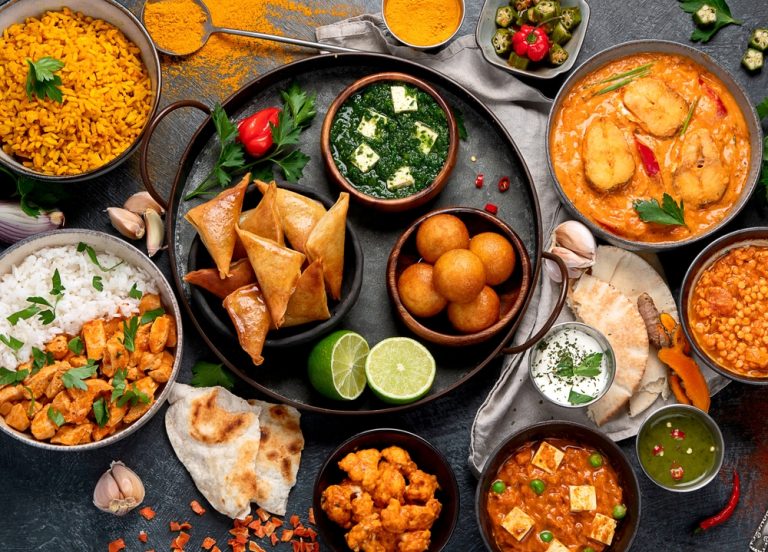
In-short:
- Food tradition in India changes from region to region, shaped by geography, climate, religion, and long-standing cultural practices.
- Popular foods in India range from coconut-based southern meals to wheat and dairy-heavy northern dishes.
- The culture of food in India blends vegetarian and non-vegetarian cuisines, reflecting regional beliefs and daily lifestyles.
- Food in Kerala India highlights how coastal geography influences cooking with rice, coconut, and seafood.
- Indian meals prioritise sharing and hospitality, making food central to social and family life.
Indian cuisine cannot be understood through a single dish or region. Each part of the country offers its own flavours, ingredients, and cooking styles shaped by history and environment. Exploring regional dishes helps travellers experience the culture of food in India beyond restaurants and tourist attractions.
South India: Rice, Coconut and Balanced Flavours
South Indian cuisine focuses on rice, lentils, coconut, and fermented foods. Meals are designed to be nourishing, flavourful, and easy to digest.
What defines South Indian cooking
- Rice-based meals served with lentils and vegetables
- Coconut used as oil, paste, and garnish
- Fermentation for flavour and gut health
Must-try dishes
- Masala dosa filled with spiced potato
- Idli and vada served with sambar and chutneys
- Hyderabadi biryani cooked using the dum method
- Kerala sadya showcasing traditional food in Kerala India
Travellers often encounter these flavours first after booking flights from Adelaide to Bengaluru, a major gateway to southern India.
North India: Hearty Meals and Rich Gravies
Northern Indian food is known for bold spices, thick gravies, and wheat-based breads. Dairy products like butter and ghee are widely used.
What to expect
- Wheat breads such as roti, naan, and paratha
- Tomato-based gravies finished with cream
- Slow-cooked legumes and meats
Must-try dishes
- Butter chicken with a creamy tomato base
- Chole bhature, a popular street and restaurant dish
- Rajma chawal, a comforting home-style meal
Many visitors are introduced to this cuisine after arriving on flights from Melbourne to Delhi, where North Indian food dominates local menus.
West India: Street Food and Bold Contrasts
Western India is famous for its lively street food culture and flavour contrasts combining sweet, spicy, and tangy elements.
Key characteristics
- Strong street food influence
- Frequent snacking culture
- Balance of sweet and savoury flavours
Must-try dishes
- Gujarati thali with multiple small portions
- Vada pav, Mumbai’s iconic street snack
- Pav bhaji cooked with butter and spices
Those landing on flights from Melbourne to Mumbai quickly understand why this region defines many popular foods in India.
East India: Subtle, Seasonal and Soulful
Eastern Indian cuisine is lighter, seasonal, and focused on natural flavours. Rice and fish are staples in many areas.
Cooking style
- Minimal oil and restrained spice use
- Emphasis on fresh, local ingredients
- Strong connection to agricultural seasons
Must-try dishes
- Machher jhol, a light Bengali fish curry
- Litti chokha made with roasted wheat and vegetables
- Mishti doi, a sweet, fermented yoghurt
This region reflects how food tradition in India values balance and simplicity.
North-East India: Traditional and Ingredient-Driven
North-East Indian food is less commercialised and closely connected to nature. Cooking methods focus on preservation and local sourcing.
What makes it unique
- Fermentation and smoking techniques
- Minimal oil and spice usage
- Strong reliance on seasonal produce
Must-try dishes
- Smoked pork with bamboo shoot
- Assamese thali with rice, lentils, and vegetables
- Fermented greens and fish preparations
These dishes represent a lesser known but important side of the culture of food in India.
Food as a Cultural Experience
Across India, food plays a vital role in festivals, weddings, religious rituals, and everyday family life. Meals are usually shared, reinforcing social bonds and traditions passed through generations. Travellers often plan food-focused journeys when booking flights from Sydney to Amritsar or flights from Brisbane to Ahmedabad, where regional cuisines are deeply tied to local identity. Others discover flavour diversity after landing on flights from Adelaide to Hyderabad, noticing how tastes shift even between neighbouring states.
How travellers experience Indian food
- Meals are linked to specific times of day and festivals
- Home-style cooking differs greatly from restaurant versions
Key Takeaways
- Food in Kerala India reflects coastal geography through coconut, rice, and seafood-based dishes.
- Popular foods in India vary widely by region, climate, and cultural practices.
- Food tradition in India is influenced by religion, agriculture, and historical factors.
- The culture of food in India prioritises sharing, hospitality, and communal meals.
- Exploring regional cuisine adds depth and meaning to any journey through India.

