
In Short:
- Checked baggage: Most airlines allow 23–30 kg; cabin bags 7–10 kg.
- Allowed items: Sealed packaged food, medicines with prescription, clean clothes, and non-food gifts.
- Restricted: Fresh food, meat, seeds, nuts, dairy, honey, and cash over AUD 10,000 (must declare).
- Declarations: Always declare food, medicines, or natural items — better safe than sorry.
- Tip: Book flights with Mann Travel for affordable fares and smooth journeys between Australia and India.
Flying to Australia? Know What You Can Bring in Your Luggage
Are you flying to Australia soon? Whether you’re an Australian resident returning home or a visitor from abroad, understanding what you can bring to Australia is essential. The country enforces strict customs and biosecurity regulations, and failure to declare certain items can lead to fines or entry delays.
Here’s a comprehensive guide to help you pack confidently and stay compliant with Australian customs rules.
Baggage Allowance for International Flights
Before you start packing, it’s a good idea to check your baggage allowance with your airline. Most international flights to Australia permit:
– Checked luggage: 23–30 kg per item (varies by airline and class)
– Cabin baggage: 7–10 kg
– Extras: A personal item like a purse, laptop bag, or duty-free goods (check your airline’s policy)
If your itinerary involves multiple airlines or layovers in different countries, follow the most restrictive baggage policy to avoid issues.
What You’re Allowed to Bring into Australia
Australia’s natural environment is highly protected, so there are limitations on what travellers can carry in. Here’s what you can bring:
✅ Permitted Items (Subject to Conditions):
– Packaged Food: Biscuits, chocolates, tea, and coffee are typically allowed if they are sealed and commercially prepared. You must declare all food.
– Medicines: You can bring personal-use medications. Keep them in their original packaging and carry a doctor’s prescription.
– Clothing and Shoes: Clean garments are allowed. Outdoor footwear (like hiking boots) must be free from dirt or organic matter.
– Gifts: Perfumes, clothes, electronics, and non-food souvenirs are allowed.
❌ Restricted or Declared Items
Certain items are restricted and need to be declared when you arrive in Australia:
– Fresh produce, meat, fruits, and vegetables – Not allowed
– Seeds, nuts, and plant materials – Must be declared and may be confiscated
– Animal products (e.g., dairy, honey, eggs) – Heavily restricted unless permitted
– Wooden items or herbal medicines – Must be clean and declared
– Cash exceeding AUD 10,000 – Must be declared
Mandatory Declarations at Australian Border
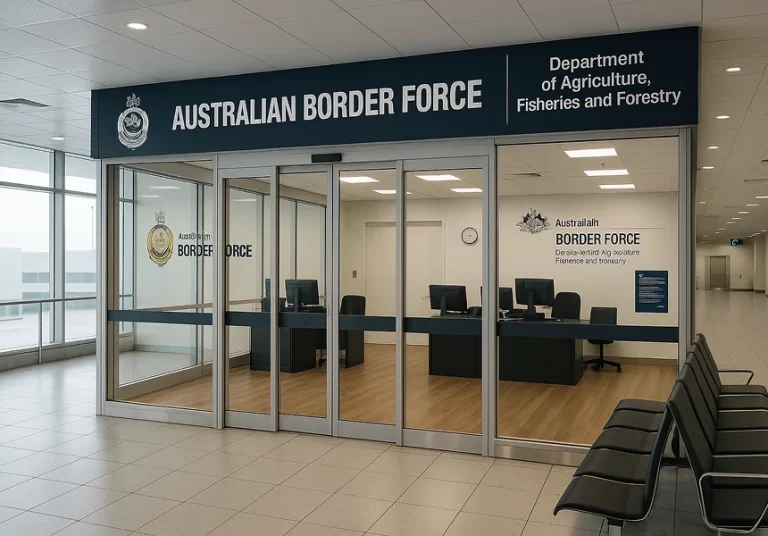
All travellers must complete an Incoming Passenger Card when arriving in Australia. If you’re unsure about an item, it’s safer to declare it. Bringing restricted items isn’t necessarily illegal—but failing to declare them is.
If you honestly declare an item that isn’t allowed, it will simply be confiscated without penalty.
Customs & Biosecurity Inspections
Australian airports are known for their strict customs inspections. Your bags may undergo:
– X-ray screening or manual inspection
– Sniffer dog checks
– Detailed review if you’ve declared any items
Pro Tip: Place food, medicines, and organic items in an easily accessible part of your luggage to make screening faster.
Travel Smoothly with Mann Travel
Mann Travel offers seamless and affordable international flight bookings, especially for those traveling between Australia and India.
To book your next flight:
📞 Call us at 1300 754 002
📧 Email: support@manntravel.com.au
Final Packing Tips
Here’s how to ensure a stress-free arrival in Australia:
✅ Stick to your airline’s baggage allowance
✅ Declare all food, medicine, or natural products
✅ When in doubt—declare anyway
Enjoy a safe journey and a warm welcome to Australia!
Key Takeaways:
Check more Blogs – Planning Your Dream Australian Holiday: Tips for Indian Residents

